It’s Pride Month and celebrating the LGBTQ+ people in your life is in style! In honor of Pride—and my amazing son Nick—I wanted to share this post. Nick came out to my husband and me twelve years ago, when he was 17, and I was pretty clueless about how to handle it. A post like this would have been helpful. I’m just one mom of one gay kid, and we don’t represent everyone. But I really want to address this subject. LGBTQ+ rights are so cruelly and unnecessarily under attack right now, especially in states like Florida, where I live most of the year. Greater understanding, awareness and respect is called for. Nick and I had a long conversation and based on that, and my experiences as a mom, here are seven things you can do to support any gay or queer kid in your life.
1. Don’t assume your child is straight.

I wish I’d been more open to the possibility that Nick might be gay when he was younger. In retrospect, I can see how my assumptions were hurtful and undermining. After Nick was fully out, friends asked me, “Did you know?” and I said truthfully, “I was 95% surprised.” But some things made sense. There were signs that I overlooked or misinterpreted—Nick’s love of acting cut short, high school dances with beautiful girls who were just good friends, him feeling a lot of stress and pressure as a teenager I put down to the rigors of sports and grades. Even if I didn’t know Nick was gay, presuming him to be straight made things harder for him, and I regret it.
It’s really important that parents raising kids today keep this in mind. According to Gallup, more young adults than ever do not consider themselves straight. Until you know your kid’s sexuality for certain, be openminded. Talk about relationships in gender neutral terms and don’t make gay jokes or slurs. It will show you support and accept your child just as they are, which will only strengthen your relationship.
Roughly 21% of Generation Z Americans who have reached adulthood — those born between 1997 and 2003 — identify as LGBT. That is nearly double the proportion of millennials who do so, while the gap widens even further when compared with older generations.
Gallup
2. When your child comes out, believe them.
When coming out, a kid is sharing an important aspect of their identity and it’s a vulnerable space. The most hurtful thing you can do is tell them it’s a phase, they’ll grow out of it, or they’re confused. Your kid has known their identify for a long time before sharing it with you. Nick says, “By the time a person comes out to their circles, they’ve put a ton of thought into it. If you question it, it invalidates the courage of the person to come out in the first place.” The best response is to say “thank you for telling me”, say you love them and give them a hug.
3. Don’t freak.

When you first learn your kid is queer, it can be emotional. You may be relieved, shocked, confused or afraid. My initial reaction was to be frightened for my son, worried that he’d be bullied and discriminated against. Your feelings, whatever they are, are valid. But don’t burden your kid with your fears and lack of knowledge. Your number one job is to support your child—not put more pressure on them.
It’s fine to ask your kid questions to understand what they’re going through and what they need. But if you’re feeling upset, conflicted or uncomfortable with their sexuality, look elsewhere for counsel. Nick says, “take ownership of learning more and educate yourself. It isn’t your kid’s job to teach you.” There are many resources and groups for parents of gay kids. The organization PFLAG has great tips for navigating the coming out process to take care of your child and yourself.
4. Show empathy and respect (even if you don’t get it).
When I eventually told my conservative father that his grandson was gay, he replied, “I just want him to be happy,” and I nodded eagerly, relieved. Then he added, “But I don’t see how he can be.” Uh-oh.
But according to Nick, comprehension isn’t the goal. “Everybody is owed rights and respect, even if you don’t exactly understand what the person is going through,” he says, and the point he makes is so critical. You don’t have to personally relate to the experience of being queer to give respect and compassion.
Being gay isn’t a problem. Most gay people are proud of and enjoy their sexuality. Your kid’s future may appear different from yours or the one you envisioned for them, but it can be every bit as connected, rich and fulfilling. Wait and see.
5. Be interested in their relationships.
Be as involved in your kid’s love life as you would if they were straight. Ask them if they’re seeing someone, encourage them to talk about it, and be accepting of their partners. All kids, regardless of orientation, need to have healthy relationships. “By encouraging your kid to date in a way that’s healthy and age-appropriate, you send a powerful message: LGBTQ relationships are normal, and there’s nothing to hide or be ashamed of,” says Dr. Errol Lamont Fields Director of Adolescent Medicine at John Hopkins Medicine. (Click link for full story: Tips for Parents of LGBTQ Youth)
6. Be an active ally.

Across our country, more than 75 anti-LGBTQ+ bills have been signed into law this year, attacks on the rights of already vulnerable groups, including children. As parents of gay kids, we have to do more than hope the world treats them kindly. We have to stand up for them. A great place to start is with the Human Rights Campaign Report, Being a LGBTQ+ Ally. I donate to causes that fight to protect LGBTQ+ rights, I show my support here on my blog and on social media, and I brag about my brilliant, witty, talented, handsome son to anyone who will listen. It’s not hard to be proud of Nick, just look at him!
7. Love is all you need.
Even if you feel awkward or unsure about what to do at first, it’s your love and acceptance that’s vital to your child. “Kids without a supportive family are likely to have mental health problems,” says Nick. “Doing the things we’ve talked about here will help. If they go to a school where they are bullied and ostracized and go home to a loving family, it will be easier for them to face that stress. The family can’t prevent all bad experiences, but they can provide tools and safe space when they get home.”
Isn’t it great to know what a difference we parents can make?
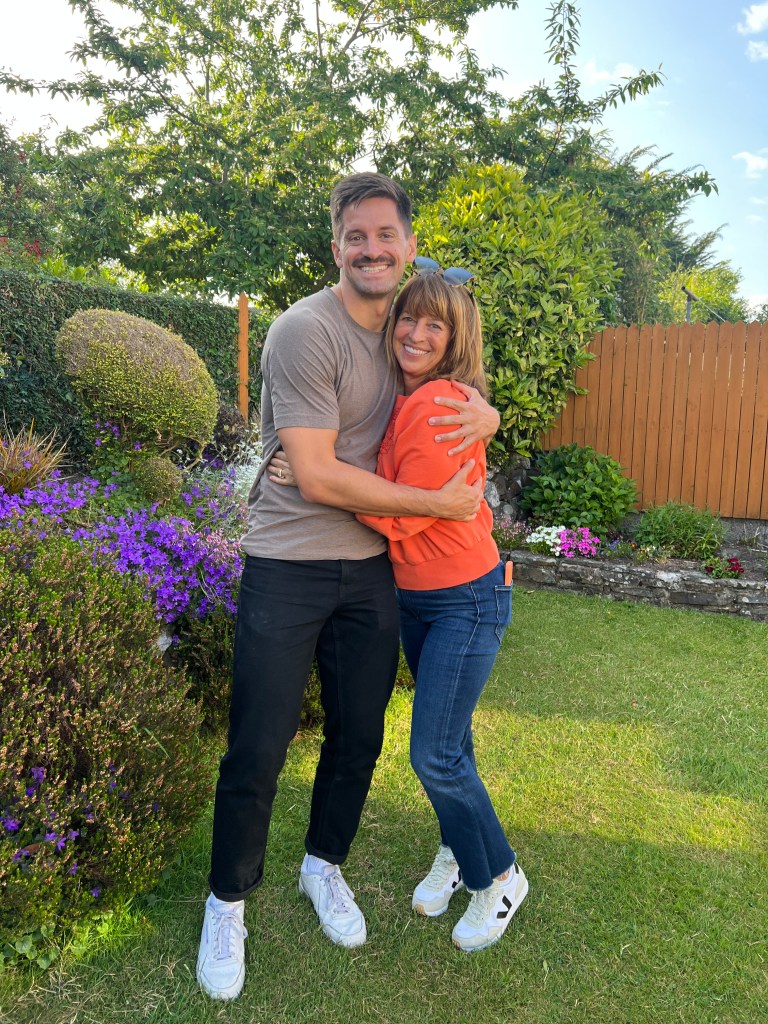
I hope this piece helps you or someone you know understand how to support the queer kids in our lives. They need it more than ever. And I’d love to hear your thoughts and experiences in the comments section below.
 Fully Fabulous
>
LikeLike
What a wonderful article, Margie! Your son is such a handsome man, and the pictures of the two of you together are so heartwarming!! I’m sure this article can be of great assistance to those going through this situation. I wish your son, Nick, years of love and happiness.!
LikeLike
Marlene thank you so much, dear friend,
for reading and for your support!
LikeLike
Love this Marjie! We all know and love many people that are struggling with recent attacks against lgbtq+. Whether it be a child, cousin, niece, nephew or friend, our support and understanding is the most essential help that we can offer. We all desire and deserve happiness! Good for you and your son!
LikeLike
Leann, thank you so much for this compassionate comment. Appreciate your support of Nick and the LGBTQ+ community. ❤️
LikeLike
Love your compassion Marjie! I will always support you and your family, my family and every family. Love is everything 🥰
LikeLike
Thanks for your supportive article. So many kids have a hard time growing up anyway and adding being LGBTQ+ to the mix only makes their mental health issues more complex.
I’m proud to say my workplace is offering educational seminars for employees to learn to be accepting of others’ gender orientations and to not make assumptions.
LikeLike
Great article Marjie, our oldest is Bi-sexual and yes it took us by surprise, but we found out at my mom’s funeral last year and it was a shock to all of us. I guess if she is happy, we will be happy too.
LikeLike
Thanks so much for sharing Sue. And your acceptance and support will make a big difference to you oldest’s happiness!
LikeLike
I love this story.
I remember when my daughter came out my feelings were so selfish. I was thinking about not seeing her walk down the isle and nit having children. I’m the proud grandmother of two little boys ages 5 abd 4 who were born by IVF! What a miracle. My daughter is beautiful, smart, very talented and my step daughter is the same… they have a very strong balanced neutered relationship and are wonderful Moms. What more could we ask for?? Happiness matters!❤️
LikeLiked by 1 person
I love this so much Tawnya. You are a lucky mom and grandmother. And your daughter and family are lucky to have you! 💙💙
LikeLike